
ALR and Zoning
Understand how provincial land-use rules and Regional District zoning affect residences, subdivision and other proposed uses.
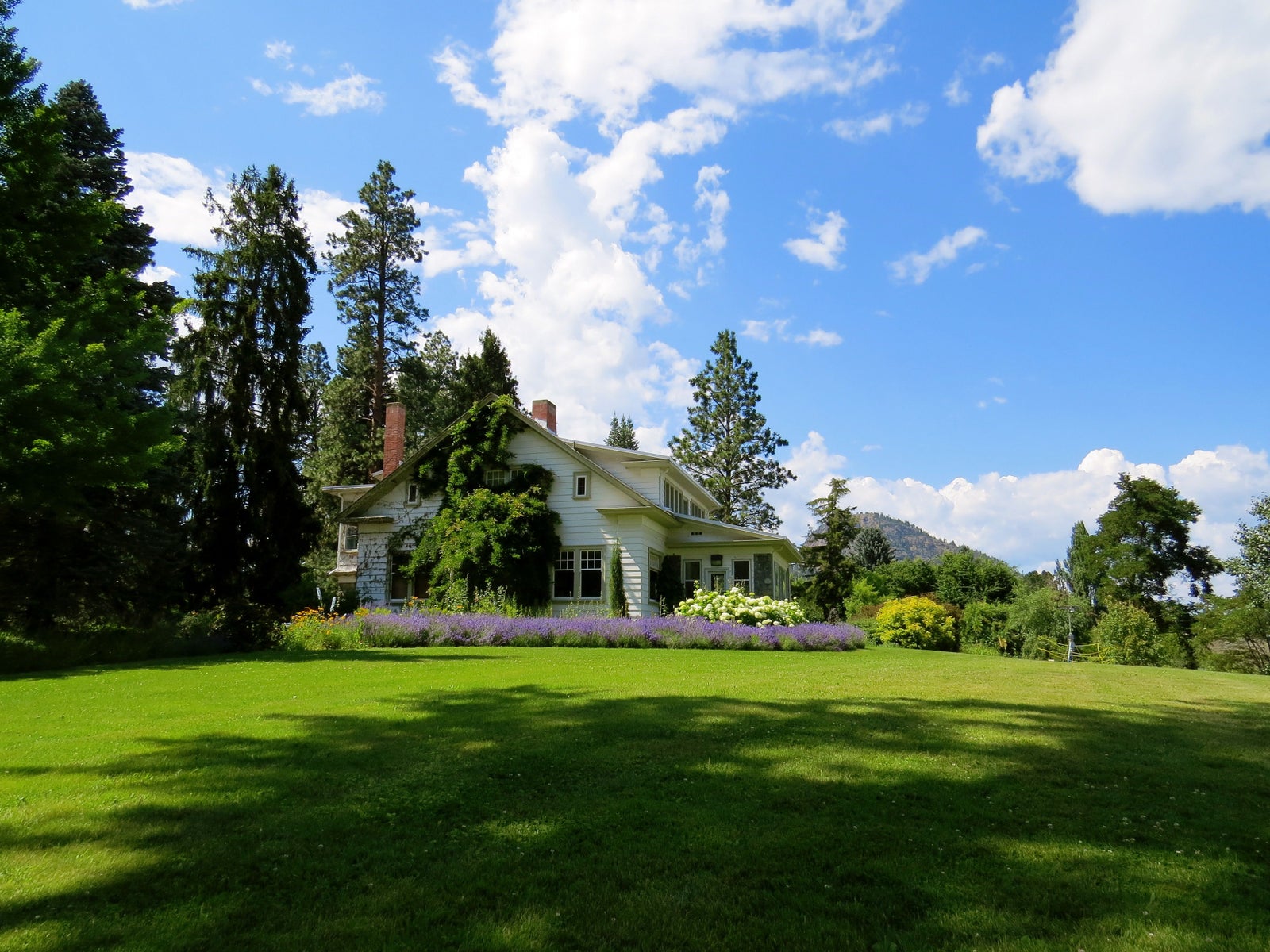
Vancouver Island Acreage Guide
Understand wells, septic systems, zoning, legal access, financing and other rural-property considerations before you write an offer.
A Different Kind of Purchase
A rural property can offer privacy, space and a closer connection to the land. It also requires a different level of due diligence than a home connected to municipal water and sewer.
The value and usability of acreage can depend on water supply, septic capacity, legal access, zoning, site conditions and the cost of services. Confirming those details early gives you room to make a sound decision or walk away.
What the Guide Covers
The guide translates rural-property due diligence into practical questions you can use while comparing listings and preparing an offer.
Understand how provincial land-use rules and Regional District zoning affect residences, subdivision and other proposed uses.
Confirm whether the property is supplied by municipal water or a private well. For a well, review available records and obtain current quantity and water-quality testing.
Know which records, maintenance details and inspections to request before committing to a rural property.
Distinguish a driveway from registered legal access and identify easements, rights-of-way and survey questions.
Prepare for lender limits involving excess acreage, outbuildings, agricultural use and non-standard property features.
Review property-specific insurability, utilities, internet availability and the cost of bringing services to a building site.
Before You Offer
There is no universal rural-property checklist. The appropriate investigations depend on the parcel, improvements, intended use and documents available.
Free Download
The 17-page guide includes essential rural-property guidance, ten practical insights and a printable pre-offer checklist.
Frequently Asked Questions
These answers provide a starting point. Every parcel should be investigated using its current title, zoning, services and intended use.
Sometimes, but parcel size alone does not determine subdivision potential. Zoning, Agricultural Land Reserve status, legal access, servicing, environmental conditions and approval requirements must all be confirmed for the specific property.
Water quantity and water quality are separate concerns. Buyers should review available well records and obtain property-specific advice about current flow testing, bacteriological testing and any broader water-quality analysis appropriate to the location.
Yes. I recommend making a professional septic inspection a condition of purchase. Buyers should also request the system records, age and maintenance history before removing conditions.
Possibly. The answer depends on local zoning, parcel size, servicing capacity, ALR requirements and other restrictions. Confirm the proposed use with the appropriate authorities before relying on it.
Lenders may treat excess land, outbuildings, agricultural uses and unusual improvements differently from a conventional residential property. Speak with a lender or mortgage broker experienced with rural purchases before you begin making offers.
Local Rural-Property Guidance
Tell me what you want the property to support. I can help you identify suitable areas, compare current listings and build the right questions into your search.