
Returning Canadian
You live in the United States and are planning to re-establish your home in Canada. Start with the timing of your U.S. sale, Canadian purchase, tax residency, funds and arrival.
BC Island Homes Cross-Border Hub
A practical starting point for returning Canadians, snowbirds planning a permanent return and U.S. residents exploring a move to Mid-Vancouver Island.
Start Here
The real estate search may look similar, but residency, timing, financing and professional-advice needs can differ. Begin with the situation closest to yours.
You live in the United States and are planning to re-establish your home in Canada. Start with the timing of your U.S. sale, Canadian purchase, tax residency, funds and arrival.
You already maintain Canadian ties but want to sell or reduce your U.S. property interests and make Vancouver Island your primary home.
You are a U.S. resident considering Vancouver Island. Your ability to live in Canada and purchase property depends on citizenship, permanent-resident status and current federal and provincial rules.
A Different Kind of Move
A cross-border move involves more than choosing a community and purchasing a home. The timing of a U.S. property sale, access to sale proceeds, currency conversion, Canadian financing, immigration status and Canadian tax residency can all affect the real estate strategy.
Denise helps you plan the Vancouver Island side of the move while coordinating with professionals who understand the financial, tax, legal and logistical issues that can arise between Canada and the United States.
What to Coordinate
Every cross-border move is different. These are the four areas most clients should address before choosing a possession date or transferring funds across the border.
Confirm the likely closing timeline, net proceeds and whether FIRPTA withholding or other U.S. tax rules could temporarily affect the funds available for your Canadian purchase.
Determine with a qualified cross-border tax professional when Canadian tax residency is likely to begin and how income, investments, retirement accounts and foreign reporting may be treated.
Plan currency conversion, proof of funds and mortgage qualification early. Canadian lenders may require detailed records for U.S. income, assets and sale proceeds.
Align the property search, virtual tours, inspections, completion, household-goods shipment and your arrival on Vancouver Island.
General information only. Tax, legal, financial, immigration, lending and insurance advice must come from appropriately qualified professionals who can review your circumstances.
A Coordinated Process
Denise can begin helping while you are still in the United States, often long before you are ready to travel to British Columbia.
Discuss your timeframe, preferred communities, property needs, U.S. home-sale plans and expected source of purchase funds.
Denise can connect you with appropriate cross-border, mortgage, legal, financial and currency professionals before major decisions are made.
Review curated listings and neighbourhood context through live virtual tours or detailed recorded walkthroughs when a live tour is impractical.
Coordinate due diligence, inspections, closing and local services so your Vancouver Island home is ready for your arrival.
Trusted Cross-Border Referral Partner
Denise works in referral partnership with Gerry Scott, Founder of Snowbirds Cross-Border Wealth Management. With more than 32 years of experience, Gerry provides educational resources that help Canadians and Americans recognize the financial, tax, immigration, retirement and lifestyle questions that may require specialized advice.
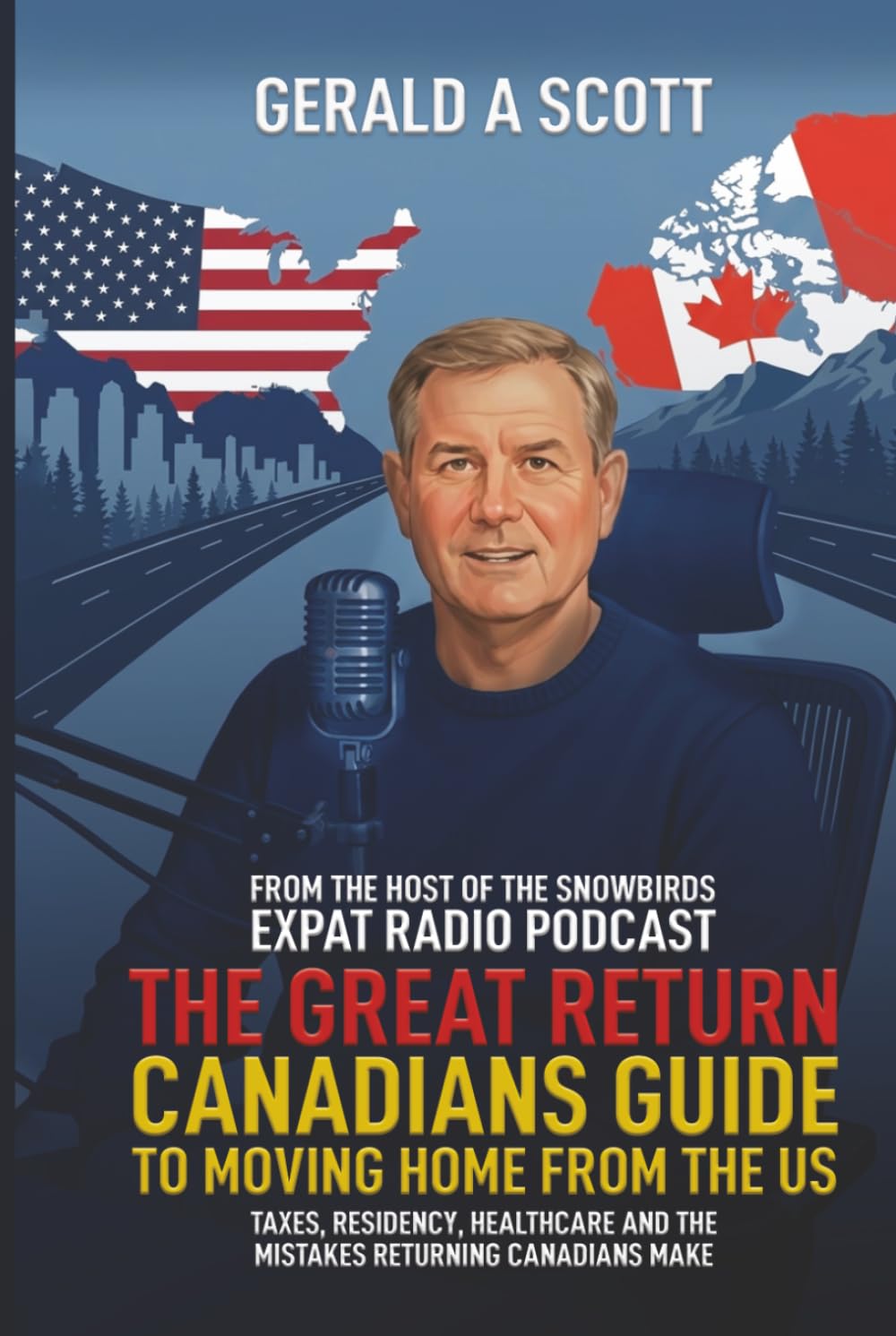
Gerry hosts the Snowbirds Expat Radio Podcast, where he interviews cross-border professionals. He is also the author of Snowbirds Heading South for the Winter: What You Don’t Know Will Hurt You and The Great Return: Canadians Guide to Moving Home from the US, and the creator of the Snowbirds U.S. Day Tracker and Canada Physical Presence Tracker.
Recommended Reading
The Great Return: Canadians Guide to Moving Home from the US, written by Gerry Scott, helps returning Canadians understand the questions they should address before moving.
Denise has provided copies to clients planning a return because informed decisions begin well before the property search. The book complements, but does not replace, advice from professionals familiar with each client’s circumstances.
Cross-Border Arrival Considerations
Your citizenship, residency status and arrival plans can affect both your purchasing options and the timing of your move to British Columbia.
Canadian citizens and permanent residents are not restricted by the federal prohibition on residential purchases by non-Canadians. Other buyers should confirm their status under current federal and provincial rules. BC closing costs, property transfer tax and situation-specific taxes still need to be reviewed.
Eligible returning Canadians and permanent residents currently have access to an MSP wait-period waiver. Apply promptly and confirm your eligibility directly with Health Insurance BC rather than assuming coverage has automatically resumed.
CBSA rules can apply to goods brought back by former residents, including ownership and use requirements. Vehicles may also require admissibility, import, inspection, registration and insurance planning.
Official Information
Use these official sources to verify current property, healthcare, customs, tax and withholding requirements.
BC Island Homes Resources
Use these practical guides to compare communities, understand local ownership costs and prepare for buying and living on Vancouver Island.
Explore the practical considerations involved in relocating to Vancouver Island.
Review the steps, costs, conditions and due diligence involved in buying a BC home.
Understand common Vancouver Island property-tax considerations and local differences.
Plan for utilities, insurance, transportation and other recurring ownership expenses.
Your Vancouver Island Landing Place
Nanoose Bay, Parksville, French Creek, Qualicum Beach, Lantzville, Errington, Coombs, Bowser and Deep Bay offer different combinations of ocean access, golf, walkability, services, privacy and property type.
Denise provides the local context that listing photos cannot: road noise, neighbourhood character, travel times, water and septic considerations, strata restrictions, exposure, resale factors and the practical differences between communities.
Client Confidence From Any Distance
Read recent Google feedback from buyers and sellers who relied on Denise’s communication, local knowledge and hands-on representation.
Frequently Asked Questions
General answers for returning Canadians, snowbirds and U.S. residents beginning a Mid-Vancouver Island property search.
Yes. Canadian citizens and permanent residents are not restricted by the federal prohibition on residential property purchases by non-Canadians. Your tax residency, financing, source of funds and closing arrangements are separate considerations that should be reviewed with the appropriate professionals.
Often, but not always. The right sequence depends on available liquid assets, financing, the timing of U.S. sale proceeds and any withholding or tax obligations. Denise can coordinate the real estate timelines while your cross-border tax and financial professionals advise on the broader implications.
FIRPTA may require withholding when a foreign person sells U.S. real property, although exceptions and reduced-withholding procedures may apply. Citizenship, U.S. tax residency and the transaction details matter. Confirm the treatment and expected access to sale proceeds with a qualified U.S. or cross-border tax professional before planning your Canadian purchase.
Yes. Denise works in referral partnership with Gerry Scott, Founder of Snowbirds Cross-Border Wealth Management. Gerry provides educational resources that help Canadians and Americans recognize questions that may require cross-border tax, legal, financial, immigration or retirement expertise. Each professional provides advice only within their own field.
Yes. Denise provides live virtual tours whenever timing and connectivity allow. If a live tour is not practical, she can prepare a detailed recorded video tour with neighbourhood context and candid observations. Offers, document signing and much of the due diligence can be coordinated remotely, although an in-person visit is encouraged whenever timing allows.
BC currently provides a wait-period waiver for eligible returning Canadians and permanent residents. You must still apply and establish eligibility, so contact Health Insurance BC promptly and confirm the effective date of your coverage.
Start by speaking with Denise about your connection to Canada, timeline, preferred communities, property needs, U.S. home and expected source of purchase funds. She will help define your Vancouver Island real estate strategy and identify the appropriate professional connections for your circumstances.
Your Move Starts With a Conversation
Tell Denise where you are now, your connection to Canada, your preferred communities and what you want life on Vancouver Island to look like. She will help define your real estate strategy and identify the appropriate professional connections.