

Quick answer: Before buying acreage on Vancouver Island, confirm the water source, arrange a professional septic inspection where applicable, verify zoning and ALR status, review legal access and title, assess outbuildings and permits, and speak with your lender and insurer early. These checks help determine whether the property can support both your lifestyle and your future plans.
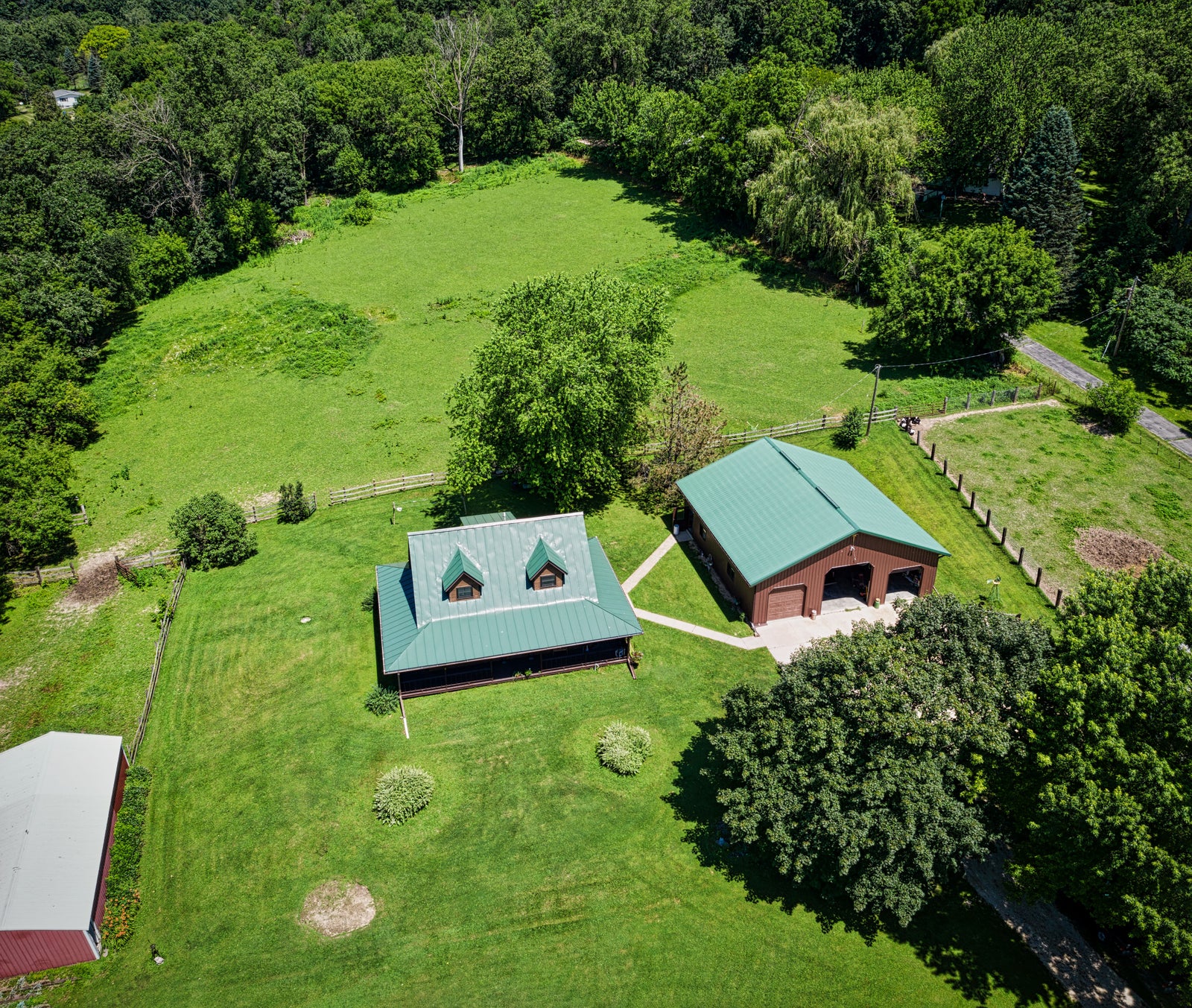
A rural property can offer the space many buyers come to Vancouver Island hoping to find: room for gardens, animals, workshops, hobbies, family and a quieter connection to the landscape. It can also be a wonderfully private place to live while remaining within reach of Parksville, Qualicum Beach, Nanaimo and other Central Island communities.
The key is to look beyond the house. With acreage, the land, water, wastewater system, access, zoning and existing improvements are all part of the purchase. A beautiful home may still be the right choice, but you want to understand the complete property before making a firm commitment.
1. Confirm how the property receives water
Some rural properties are connected to a municipal or regional water system. Others rely on a private drilled well, a shallow well, a shared water system or stored water in a cistern. Do not assume that every acreage is serviced in the same way.For a private well, review available records and consider appropriate water testing and professional advice. A well’s depth or the fact that it has served the current owners does not, by itself, answer every question about water quality, flow or seasonal reliability.
A shallow well deserves particular attention because the amount of available water can fluctuate with rainfall and the time of year. A cistern may be used to store water and provide additional capacity. The important question is not simply whether water is present, but whether the complete system is suitable for the household and intended use.
Is the property on municipal or regional water, a private well or a shared system?
- Are there well records, recent water-quality results or maintenance information?
- Where are the well, pressure equipment, treatment components and any cistern located?
- Will gardens, livestock, a suite or another planned use change water demand?
2. Arrange a professional septic inspection
Many Vancouver Island acreages use an onsite septic system rather than municipal sewer. Ask for available records, servicing history and information about the system’s location and type. Island Health may have sewerage records for a property, and the Regional District of Nanaimo notes that some well and septic information may also appear in archived building records.A professional septic inspection is an important part of rural due diligence. It can help you understand the apparent condition of the system, how it has been maintained and whether further investigation is recommended. The inspection should be considered alongside the household size and any plans for additional bedrooms, a suite or another dwelling.
Regular care matters. The RDN’s SepticSmart program notes that maintenance can include pump-outs, monitoring and inspections, with upgrades or repairs completed when needed.
3. Verify zoning against your actual plans
The listing description may mention acreage, a shop, animals or business potential, but permitted use is determined by the applicable bylaws and other regulations. Confirm the zoning with the relevant municipality or regional district, then compare it with what you specifically want to do.Questions may include:
- Are horses, livestock or a particular number of animals permitted?
- Can you operate the type and scale of home-based business you have in mind?
- Is a secondary suite, carriage home, additional dwelling or short-term rental allowed?
- Can an existing shop be used for your intended purpose?
- What setbacks, parcel-size rules, development permits or building permits could apply?
4. Determine whether the land is in the Agricultural Land Reserve
If all or part of the property is in the Agricultural Land Reserve, agriculture is the priority use and provincial rules apply in addition to local zoning. The Agricultural Land Commission advises buyers to verify ALR status using its mapping tools and not rely solely on a notation on title.Residential uses, subdivision, fill, soil removal and non-farm activities may be limited or require approval. Local zoning does not override ALR requirements, and a local government may impose additional restrictions. If you are considering another residence, a business, subdivision or substantial site work, confirm what is realistically possible before treating that potential as part of the property’s value.
5. Review access, title and shared arrangements
A long driveway or private road may look straightforward during a showing, but ownership and maintenance responsibilities should be clear. Review the title and any easements, statutory rights of way, restrictive covenants or shared-access agreements with your lawyer or notary.- Is access directly from a public road or across another property?
- Who maintains and pays for a shared road or driveway?
- Can emergency, service and delivery vehicles reach the home?
- Could snow, drainage, steep grades or turning space affect year-round use?
6. Look closely at outbuildings and improvements
Workshops, barns, studios, storage buildings and fencing can add enormous value when they suit your plans. Confirm what each structure was approved for, whether permits and final inspections are available, and whether its current use is permitted.Also assess practical condition. A large shop is only an advantage if its power, access, ceiling height, ventilation and structure fit your needs. Fencing that works for one type of animal may not work for another. Drainage, retaining walls, driveways and culverts can be just as important as the buildings themselves.
7. Walk the land, not just the house
Acreage is rarely uniform. Walk as much of the property as access and conditions safely allow. Pay attention to slope, drainage, low areas, sun exposure, tree cover, privacy, neighbouring uses and the distance between important features.Consider how the property will function through the year. Where will you garden? How far is the shop from the house? Is there a practical route for equipment? Which areas require mowing, fencing or vegetation management? A few acres can feel very different depending on how much of the land is usable for your purpose.
8. Speak with your lender and insurer early
Rural properties do not always fit standard assumptions. The amount and type of land, water and septic systems, heating, outbuildings, property access, intended use and condition can affect financing or insurance.Share the important property details with your mortgage professional and insurer before removing conditions. If you plan to operate a business, keep animals, rent a suite or leave the property vacant for extended periods, say so. An early conversation is far easier than discovering a limitation late in the purchase.
9. Match the property to the life you actually want
Acreage can be immensely satisfying, but more land is not automatically better. Be realistic about maintenance, equipment, travel time, privacy, physical work and the cost of caring for the property.The strongest purchase is not necessarily the one with the most acres or the largest shop. It is the property whose land, services, location and permitted uses support what you genuinely plan to do.
A thoughtful review protects the opportunity
Due diligence is not about talking yourself out of a rural property. It is how you understand the opportunity clearly. When the water, septic system, zoning, access, buildings and financing all make sense, you can move forward with far more confidence and enjoy the reasons you wanted acreage in the first place.Next step: Download my Acreage Buyer’s Guide for a practical overview of rural property considerations. If you are planning an acreage purchase in Errington, Coombs, Nanoose Bay, Lantzville or elsewhere on Central Vancouver Island, I can help you identify the right questions and coordinate the due-diligence process. Call or text me at 250-619-2855.